Bob Redell
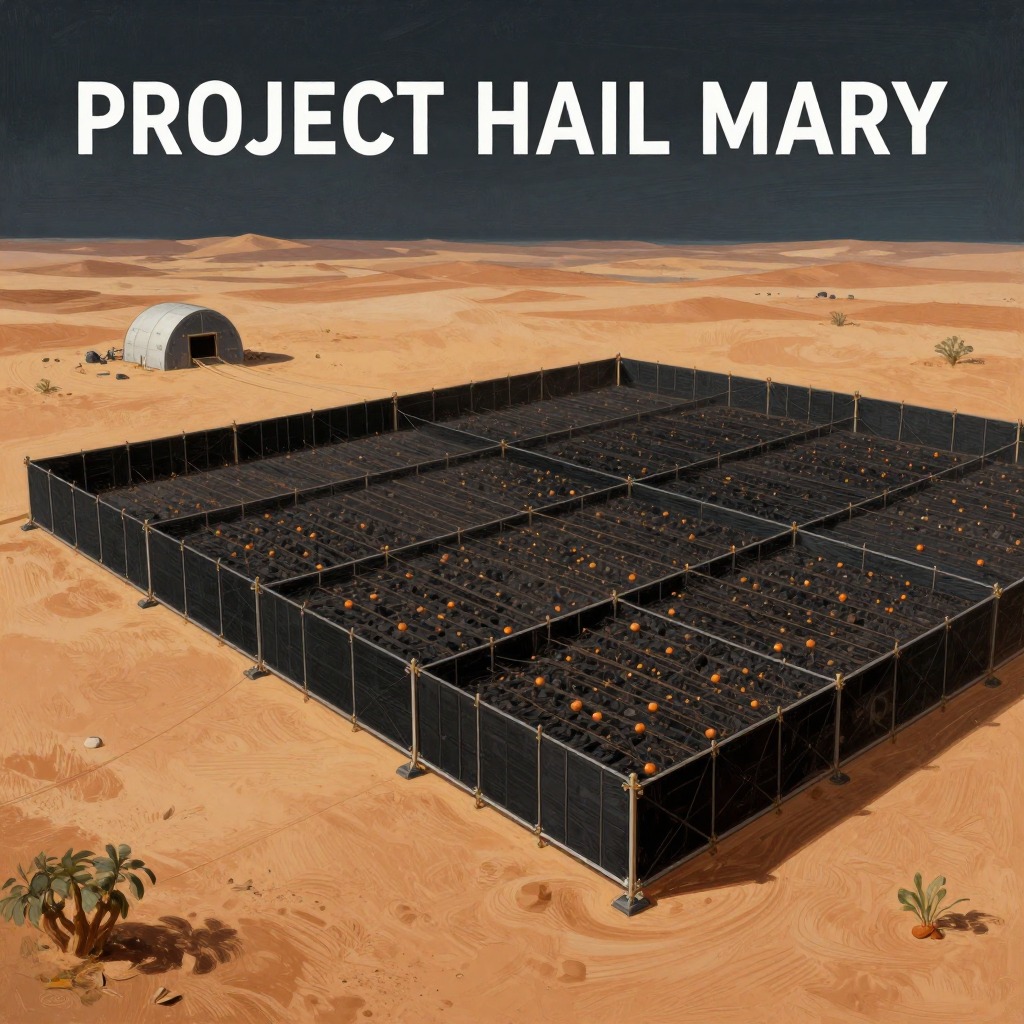
Bob Redell is a disgraced engineer whose blackpanel invention became the industrial backbone of Project Hail Mary, converting him from a convicted embezzler and negligent homicide offender into the architect of the Astrophage fuel supply that powers humanity's interstellar gambit. His scalable, low-tech breeder design—paving vast stretches of the Sahara Desert with foil-and-glass panels—was the only method capable of producing the two million kilograms of enriched Astrophage required for the Hail Mary's one-way voyage to Tau Ceti.
Identity and Background
Redell is a New Zealand engineer serving a life sentence at Auckland Prison for seven counts of culpable homicide. The deaths occurred at a solar-thermal power plant he oversaw: when a control-room error activated the entire mirror array during a virtual test, seven workers inside the reflector tower were killed instantly. Redell was not present—he had been in Monaco for three months on a gambling vacation, using embezzled funds. He admits to the theft but insists the accident was not his fault, blaming the control-room crew for failing to follow procedure. Stratt, however, cuts through his excuses: "What if you had been doing your job instead of going on a bender for three months?" His negligence, she concludes, was the root cause.
The Blackpanel Concept and Recruitment
Stratt brings Redell into the project because of an idea he emailed anonymously from prison: the blackpanel. The device is a square of anodized black metal foil under a glass sheet, sealed at the edges with insulating material. Set in sunlight, the foil absorbs heat and reaches equilibrium well above 100 degrees Celsius—hot enough to enrich Astrophage. Redell calculates that a single square meter produces about half a microgram per day, but the Sahara Desert covers nine trillion square meters. "It's just a matter of how many square meters you make of it," he says. When Grace objects that paving a quarter of the Sahara would destroy the ecology of Africa and Europe, Redell retorts: "Not as much as the coming ice age will." Stratt, after confirming the concept is sound, drafts him on the spot. "You're with us," she says, overriding his protests that he never volunteered.
Role in Project Hail Mary
Redell becomes the administrator of the Sahara Astrophage Farm, a role that combines his engineering expertise with the managerial skills needed to coordinate a global industrial effort. Stratt notes that he has done his job "magnificently," generating Astrophage at the promised levels. His blackpanel design is the only reason the Hail Mary has enough fuel to reach Tau Ceti. Grace, who initially distrusts him, later acknowledges that Redell is "a gambling-addicted swindler" but also "a good administrator" who delivered on his commitments. The farm's output, combined with the methane-release operation in Antarctica, buys humanity the time needed for the Hail Mary to complete its mission.
Thematic Significance
Redell embodies the moral compromises Stratt makes to save humanity. She recruits a man who caused seven deaths through negligence and embezzled millions, not because she trusts him, but because his idea works. The blackpanel itself is an environmental catastrophe—paving a quarter of the Sahara with heat-absorbing panels disrupts weather patterns across the Mediterranean, contributing to the tornadoes and bizarre climate events that climatologist François Leclerc later documents. Yet Stratt accepts these costs without hesitation. Redell's presence on the project forces the question of whether the ends justify any means, and the narrative leaves his moral status unresolved: he is both a criminal who deserves his sentence and the man whose invention may save billions of lives.